





Lipids: The Silent Killers
Understanding the "Bad" Lipids
Lipids are often referred to as silent killers due to their ability to increase health risks without showing obvious symptoms. Two primary culprits in this category are LDL cholesterol and Triglycerides. Elevated levels of LDL cholesterol significantly heighten the risk of heart disease and heart attacks. However, high LDL cholesterol levels rarely exhibit outward symptoms, making regular monitoring and testing essential.
Importance of Preventive Health Care
Preventive healthcare plays a crucial role in managing lipid levels and overall health. Routine checkups, starting from an early age, can help identify potential issues before they escalate. Regular tests should include:
- Sugar levels
- Cholesterol levels
- Blood pressure (BP)
- Haemoglobin levels
- Kidney function tests
- Basic ECG
After the age of forty, such tests should be conducted annually. Unlike the therapeutic approach prevalent in some regions, a preventive system, where health issues are addressed before emergencies arise, is the cornerstone of effective healthcare.
Early Screening for Young Adults
A growing consensus among cardiologists suggests that a lipid profile test and its result are of utmost importance for inculcating a sense of awareness among young adults. These records can help identify high-risk individuals early, allowing for timely interventions. Cholesterol tests should ideally be conducted after fasting for at least ten hours to avoid skewed results.
Interpreting Lipid Profiles
Lipid profiles are not age-specific, and no universal value can serve as a benchmark. Ideal values vary based on individual health conditions. For instance, a person with diabetes, kidney disease, or a history of heart attacks will have different targets compared to a healthy individual. Sequential testing is critical for tracking changes over time.
Avoiding Crash Diets
Patients often resort to crash diets to reduce lipid levels quickly, but this approach can lead to nutrient imbalances and worsen the situation. Sustainable changes, such as a diet rich in fruits, and vegetables and low in saturated fats, provide better long-term results. The body requires time to adjust to dietary changes, and a balanced, consistent approach is far more effective than extreme measures.
Cardiac Rehabilitation and Lipid Management
Cardiac rehabilitation programs focus on methodically addressing lipid-related issues. The goal is weight loss and reducing harmful fats, particularly LDL cholesterol. Achieving this requires a combination of dietary adjustments and lifestyle changes.
Fat Distribution and Exercise
Health is not solely about weight but also about how fat is distributed in the body and managed through lifestyle choices. Regular physical activity is key. Current guidelines recommend:
- 150 minutes of walking per week, spread over at least five days.
- Alternatively, 75 minutes of aerobic activities weekly.
- Resistance or weight-training exercises for building muscle mass can complement heart-healthy exercises, but are secondary.
Simple walking has consistently shown the best outcomes for heart health, particularly for patients with cardiac conditions. Aerobic activities offer a similar benefit, while diet plays a more significant role than muscle-building exercises in maintaining heart health.
A Supervised Approach to Health
The key to managing lipids and overall health lies in following a supervised, structured diet and exercise regimen consistently. By addressing bad lipids and prioritising long-term, balanced lifestyle changes, individuals can significantly improve their heart health and overall well-being. Connect with a hospital near you to avail the preventive health checkup packages annually or biannually to decrease the chances of a heart attack
You may also like
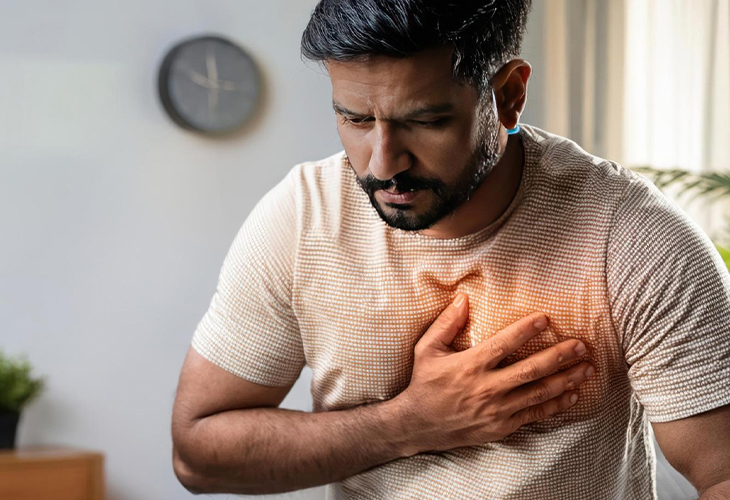
The classic symptom of a heart attack is acute chest pain. Contrary to popular belief, this pain is not always centred on the left side. It can occur in the centre or right side of the chest and may even radiate to the back or arms, not necessarily confined to the left side...
Read More

Despite revolutionary improvements in cancer treatment, this remains the most dreaded word for us. This is natural, as most patient parties are used to doctors informing them about how widely it has spread. We also know that the earlier the detection, the better the chances of a cure and survival. But despite the dread, we tend to ignore the steps that might take care of our apprehension.
Read More
Cancer is treatable and most cancers are curable
May 22, 2025Some diseases may not be treatable, but cancer no longer falls into that category. However, a word of caution. There is no blanket answer to whether cancer is curable. Because cancer has many types, and no two types may be treated similarly with similar outcomes.
Read More
From Aaheli’s Chef’s Corner: Panch Phoron Chhana
May 20, 2025In the heat of the summer, one pines for those mellow, less spicy foods on the table. And the traditional Bengali kitchen has a plethora to satiate a King’s feast in the summer.
Read More
Aaheli: Reviving Tradition with a Green Twist
Apr 30, 2025Sustainability is more than making the right noises about fossil fuels – it is a way of life for us in the Peerless Group.
Read More