



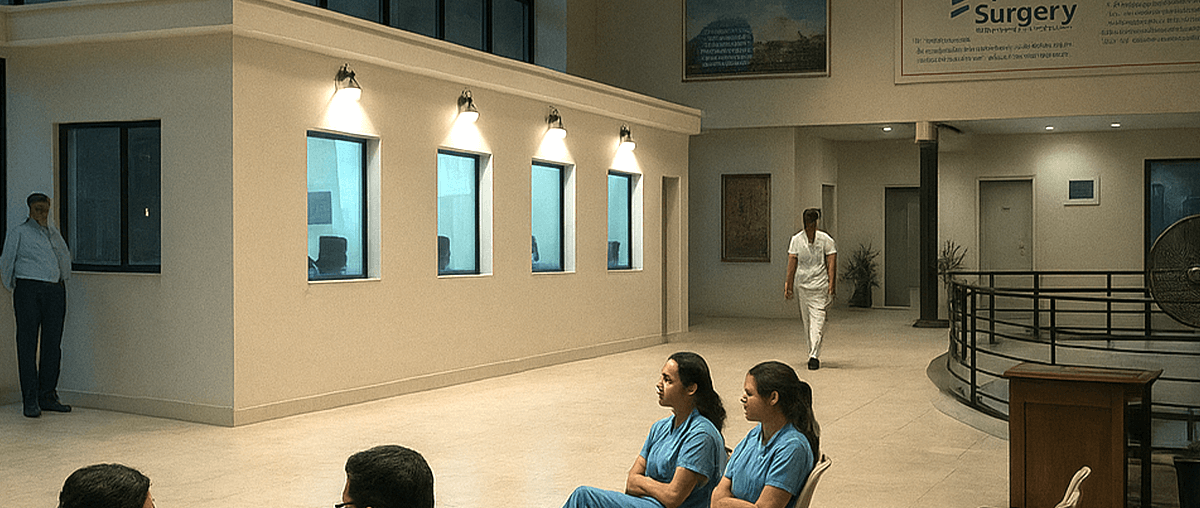

Admission Procedure at the Peerless Hospital in Emergency or for Planned Treatment
Hospitalisation need not be a stressful exercise involving endless paperwork and a matter of mental anguish, trauma, and uncertainty about the outcome. At Peerless Hospital, irrespective of whether the admission is an emergency one, requiring immediate medical intervention, or is planned, where the induction process also involves soothing the frayed nerves of the patient and his near ones, all efforts are made to present clinical efficiency in the most empathetic manner. The idea is to communicate in every step that the patient is under the most responsible and qualified medical supervision, backed by the latest advancements in technology, and the most effective medical protocols. At Peerless hospital in Kolkata, we strive to take the process of admission beyond the necessary documentation, seeking to transform it into a process where effective communication and disclosures play as important a role in the healing process as the treatment that is administered.
So here are the steps and the advice that you may look up to familiarise yourself with both emergency and planned hospitalisation procedures to follow.
Emergency Hospitalisation
An emergency admission to hospital require immediate medical intervention is a testing time for those attending to the patient. For most, the experience is harrowing, bewildering even, as something as simple as collecting one’s wits becomes a challenge. At Peerless Hospitals, we are equipped and professionally trained to help patients and their near ones tide over such situations, even as the medical staff administer the necessary protocols.
1. What should I do in case of a medical emergency?
Ans: In an emergency:
a. Stay Calm and Assess the Situation. The first thing you need to do in any medical emergency is to stay calm.
b. Call for Help: The location of Peerless Hospital is at 360 Panchasayar, Kolkata - 700 094 and has a unique Emergency helpline. You can call 89810 80008 and get first aid advice from our Emergency Doctors.
c. Perform Basic First Aid: as advised by our physicians
d. Monitor the Person's Condition: and reinform our doctors (on 89810 80008) if you see any need to do so.
e. Transporting the Patient: If you require an Ambulance, call 90382–24000 /25000
2. Can I come directly to the emergency department, or should I call ahead?
Ans: Our Emergency Department is open 24/7. You can come directly to the Emergency Department anytime. Immediate medical assessment of your patient’s condition and required treatment will be provided by our specialist Emergency Physicians who are available 24/7.
3. What documents do I need to bring for an emergency admission?
Ans: Ideally, you are required to submit copies of the patient’s Aadhaar card and PAN card at the time of admission process in hospital. However, we also realise that these documents may not always be in hand during an Emergency. In such a case, you may provide these
documents within 24 hours of admission. At Peerless Hospital, Emergency treatment and admission is never compromised due to a lack of documents.
4. Will the hospital admit me immediately in an emergency?
Ans: On arrival at the Peerless Emergency, you will be immediately assessed by the attending specialists, and the required treatment will be initiated. The doctor will then discuss the patient’s condition with you and advise accordingly. If the patient’s condition warrants admission, then you will be advised accordingly. In the meantime, the patient will be reassessed by the specialist doctor (s) and the management of the medical condition will continue. As soon as the admission procedure is completed, the patient will be shifted to the respective ward as advised by the doctor.
5. How is priority decided in the emergency department?
Our past 15 years’ data show that all patients who arrived at our Emergency Department were seen within an average of 3 minutes of their arrival. In the case of a mass casualty, prioritisation is done based on the Australasian Triage scale, and patients are treated according to the colour codes that they receive.
6. Will I be seen by a specialist in the emergency room?
Ans: Our Emergency is manned by specialist medical professionals specifically trained for the purpose. All patients who arrive at our Emergency Department are treated by these EM physicians. If any other speciality inputs are required, then the patient is referred to that specialty. All departments have an on-call rota for consultants who are available round-the-clock.
7. What if I don’t have insurance papers with me during an emergency?
Ans: In such a case, you may provide the required documents within 24 hours of admission at our insurance desk, adjacent to our admission counter.
8. Can a family member accompany me during emergency treatment?
Ans: Yes. One family member is allowed to stay with the patient inside the Emergency Department. However, if any procedures are carried out, the doctor or staff may politely request you to wait outside during the procedure. We have enclosures for attending patient parties and sitting arrangements adjacent to the Emergency Department.
9. What happens after emergency treatment—will I be admitted or discharged?
Ans: We provide all types of emergency management. If a patient requires admission, he/she will be admitted. If, after management, it is found that the patient can be discharged, then we will discharge with advice for necessary follow-ups.
Planned Hospitalisation
Hospitalisation need not be a race against time, where genuine concerns relating to the patient’s health and welfare are often compromised by the need for documentation and other such seemingly frivolous pursuits. Important as they are, the processing of papers relating to the hospitalisation needs to be streamlined and made as hassle-free as possible, if only to give succour to the already stressed patient parties. At Peerless Hospitals, we have cut through the labyrinth to make planned admissions as efficient and effective as possible.
1. How do I schedule a planned hospital admission?
You can schedule a planned hospital admission as advised by your consultant doctor by contacting our Bed Management Cell between 8 am and 8 pm, Monday to Saturday of each week, to book your preferred bed.
2.What are the documents, including insurance papers, required for a planned admission?
The documents required for a planned admission include the Advice of Admission
by our Consultant Doctor, Patient’s ID proof (Aadhar & PAN Card), along with valid
documents for Insurance Claim (viz Insurance Policy Paper, valid Insurance Card, and
pre-authorisation paper (if approved beforehand). For International patients, submission of a copy of the passport as the patient’s ID proof is mandatory at the time of admission.
3. Can I choose the date and time of my admission?
Yes, you can choose the date and time of your admission for a planned case, provided your consultant doctor agrees to your plan, considering your clinical condition and advises accordingly.
4. Do I need to undergo any pre-admission tests?
You may need to undergo some pre-admission tests for a planned surgery as prescribed by your consultant to check your fitness for surgery.
5. What should I pack for a hospital stay?
Usually, the required documents for admission, as mentioned, are sufficient. But you must not forget to pack your home medications, which you are currently taking at home. Your dress will be provided by the hospital, and also the required basic toiletries.
6. How do I confirm my insurance coverage for a planned procedure?
You may contact our hospital’s Insurance & TPA Desk before admission to confirm
your insurance coverage for a planned procedure. The TPA desk is functional between
9 am and 7 pm every day.
7. Can I choose my room type (private, semi-private, general ward)?
Yes, you can choose either the general ward, or private and semi-
private cabins, depending on your Insurance/ Corporate Policy entitlement, along with your
entitlement for various other schemes.
8. At what time should I arrive on the day of admission?
The time of admission for a planned surgical case is usually early morning on the
day of surgery.
For planned medical cases, the time of admission will usually be decided
by the treating consultant, and you will be informed accordingly by the respective coordinators.
9. Will someone explain the procedure and get my consent before treatment?
Yes, initially, the admission counter staff will obtain your consent to be admitted
to our hospital after explaining the procedure. Following admission, the doctors and the
team of nursing staff will explain the procedures to you and get your consent before the commencement of treatment, wherever applicable.
10. What is the discharge process like after a planned admission?
After the treating consultant approves your discharge plan and writes down discharge certificates, the coordinators send the discharge certificate to the discharge section.
11. Counter for Necessary Processing.
For Insurance and TPA patients, the discharge certificates are initially sent to the Insurance / TPA company for final approval before being sent to the discharge counter. You can collect your discharge certificate from the discharge counter.
The Peerless Hospital has admission protocols tailored to your convenience for either planned or emergency admission.
You may also like
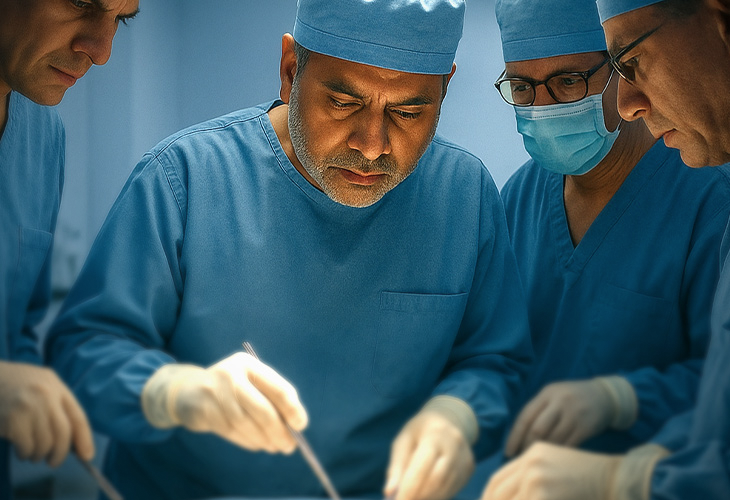
Emergency medicine in healthcare is an essential discipline. Although emergency medicine globally came into prominence in the 60s, in India, its transformative influence began to be felt in the 1990s.
Read More

Heart health awareness is gaining momentum, and it is heartening to see people becoming more "heart aware." Maintaining a healthy heart involves understanding the risk factors, adopting a healthy lifestyle, and recognising early warning signs.
Read More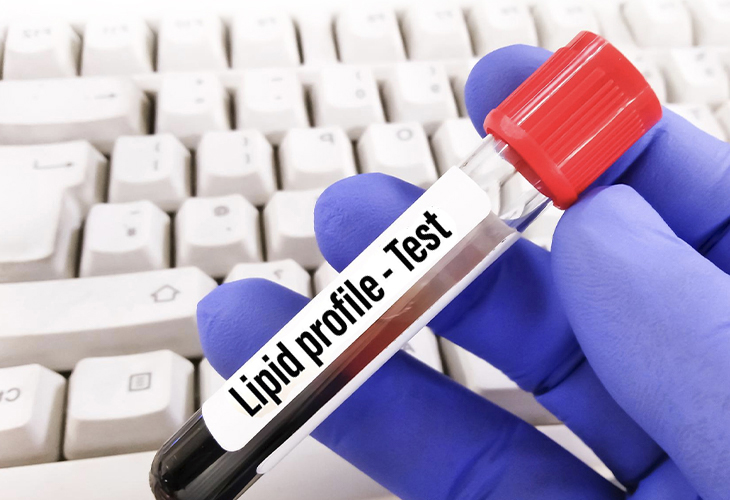
Lipids: The Silent Killers
Jun 4, 2025Lipids are often referred to as silent killers due to their ability to increase health risks without showing obvious symptoms. Two primary culprits in this category are LDL cholesterol and Triglycerides. Elevated levels of LDL cholesterol significantly heighten the risk of heart disease and heart attacks.
Read More
The classic symptom of a heart attack is acute chest pain. Contrary to popular belief, this pain is not always centred on the left side. It can occur in the centre or right side of the chest and may even radiate to the back or arms, not necessarily confined to the left side...
Read More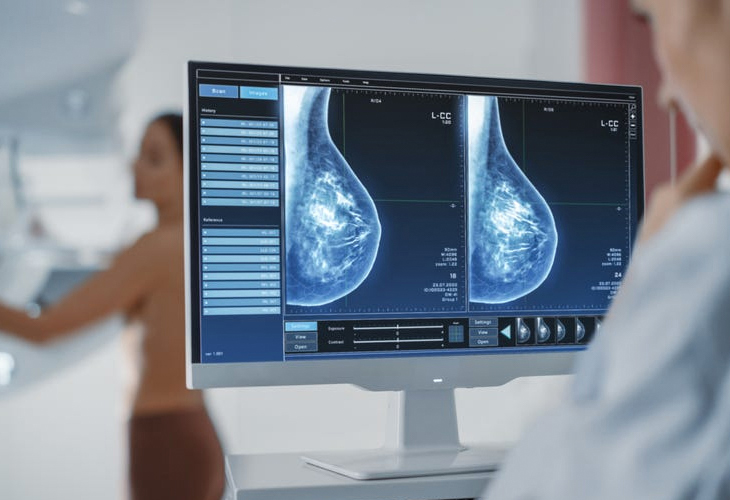
Despite revolutionary improvements in cancer treatment, this remains the most dreaded word for us. This is natural, as most patient parties are used to doctors informing them about how widely it has spread. We also know that the earlier the detection, the better the chances of a cure and survival. But despite the dread, we tend to ignore the steps that might take care of our apprehension.
Read More