


Colposcopy and Colposcopy Biopsy: Procedure, Pain, Recovery and Results
Written by PeerlessOne on 13-11-2026
Medically Reviewed by Dr. Amit Mandal (MCh - Gynaecologic Oncology, AIIMS)
Last Update on 13-11-2026
Table of Content
- Introduction
- What Is Colposcopy?
- Colposcopy vs Pap Smear vs HPV test
- Why Is Colposcopy Done?
- How to Prepare for a Colposcopy
- Points to note
- What Happens During a Colposcopy?
- What Is a Colposcopy Biopsy?
- Is Colposcopy Painful? How Does It Feel?
- Risks and Side Effects
- Recovery and Aftercare After Colposcopy Biopsy
- Colposcopy Biopsy Results: What Do They Mean?
- Treatment in Case Abnormal Cells Are Found
- Colposcopy Cost in India
- Colposcopy Myths and Facts
- Cervical Cancer Prevention and Screening in India
- When Should You Book a Colposcopy?
- Frequently Asked Questions
- Conclusion
Introduction
Colposcopy, in simple words, is a way of looking into the cervix to determine the nature of an abnormality. Many people mistakenly believe it is only done when malignancy is suspected. But this is not true. It is just a procedure that allows physicians to take a look and identify the exact area affected and follow up on it with appropriate pathological tests.
What Is Colposcopy?
Colposcope is a machine that helps to detect preinvasive or invasive lesions of the cervix. In case of the vulva and vagina, it is called vulvoscopy. And colposcopy is the process in which we identify the cervical lesion by magnifying the cervix and detect the lesion with the help of some drugs. The drugs help in determining the proper area; the intensity of the drugs detects the presence or absence of malignancy.
Colposcopy vs Pap Smear vs HPV test

Pap smear and HPV test are screening tests. Pap smear is done by collecting cervical fluid. It helps detect HPV (Human papillomavirus), abnormal cells in the cervix, whereas vulvoscopy detects abnormal areas in the vulva or the vagina.
Why Is Colposcopy Done?
Should an abnormality is detected in the Pap or HPV result, If there is bleeding after intercourse that persists but HPV or Pap smear tests are normal, then it is required. The test is also conducted if there is a visible cervical abnormality to determine whether it is cancerous. It is also done in case of follow-up treatment of preinvasive lesions of the cervix like CIN 1 (Cervical Intraepithelial Neoplasia Grade 1, 2, or 3 after their treatment like ablative procedures/ excisional procedure.
How to Prepare for a Colposcopy
- Timing: avoid your period, but keep the appointment if bleeding is light
- 24-48 hours: no sex, tampons, creams, douching
- Pain relief before the visit
- Tell the doctor if you are pregnant, on blood thinners, or have allergies (iodine, latex)
- What to bring: pad, support person
Points to note
Colposcopy is an OPD procedure. It does not require any anaesthesia. The patient must not be in the menstrual cycle and there should not be any bleeding which may obscure the visibility of the lesion. For pain relief, the patient can take paracetamol four hours before the procedure.
Colposcopy is not done if the patient is pregnant. After colposcopy, a biopsy is normally done, so the patient must be mentally prepared. It needs to be mentioned here that a biopsy is taken not necessarily because malignancy or cancer is suspected. It is done to pathologically ascertain the cause behind the tissue abnormality, which in most cases is not due to malignancy. After biopsy, there might be some mild bleeding, which is why she should carry a sanitary napkin.
After the procedure, generally a printed report is given. This shows the cervix, the lesion, the procedure done and lists all the findings.
What Happens During a Colposcopy?
It is a stepwise, OPD procedure. We position the patient in lithotomy and put a Cusco’s speculum (an instrument used in gynaecological investigation) to look into the cervix properly. We then put the colposcope in and first inspect the cervix without any medicine. If there is any discharge, it is removed, normal saline is applied, and the cervix is observed. Then the green filter is applied, which helps in identifying the vascularity (highly vascular lesions are suspected to be malignant) of the lesion. After this, 3 per cent acetic acid (freshly prepared) is applied to the cervix and observed for a minute, White areas, acetowhite areas, or patterns appear, whose appearance may call for a biopsy. Then Lugol’s iodine is applied, which also helps in identifying the colour of the patch, which in turn helps in knowing whether it is malignant, pre-malignant, or benign. A score is calculated depending on the above findings, which is known as the Swede Score.
These steps help in identifying the exact location where the biopsy needs to be performed.
The bleeding is cauterised or some chemicals are used to stop it, which ends the procedure, which hardly lasts for five minutes. The patient is discharged and is requested to visit the OPD with the biopsy report after seven to ten days.
What Is a Colposcopy Biopsy?
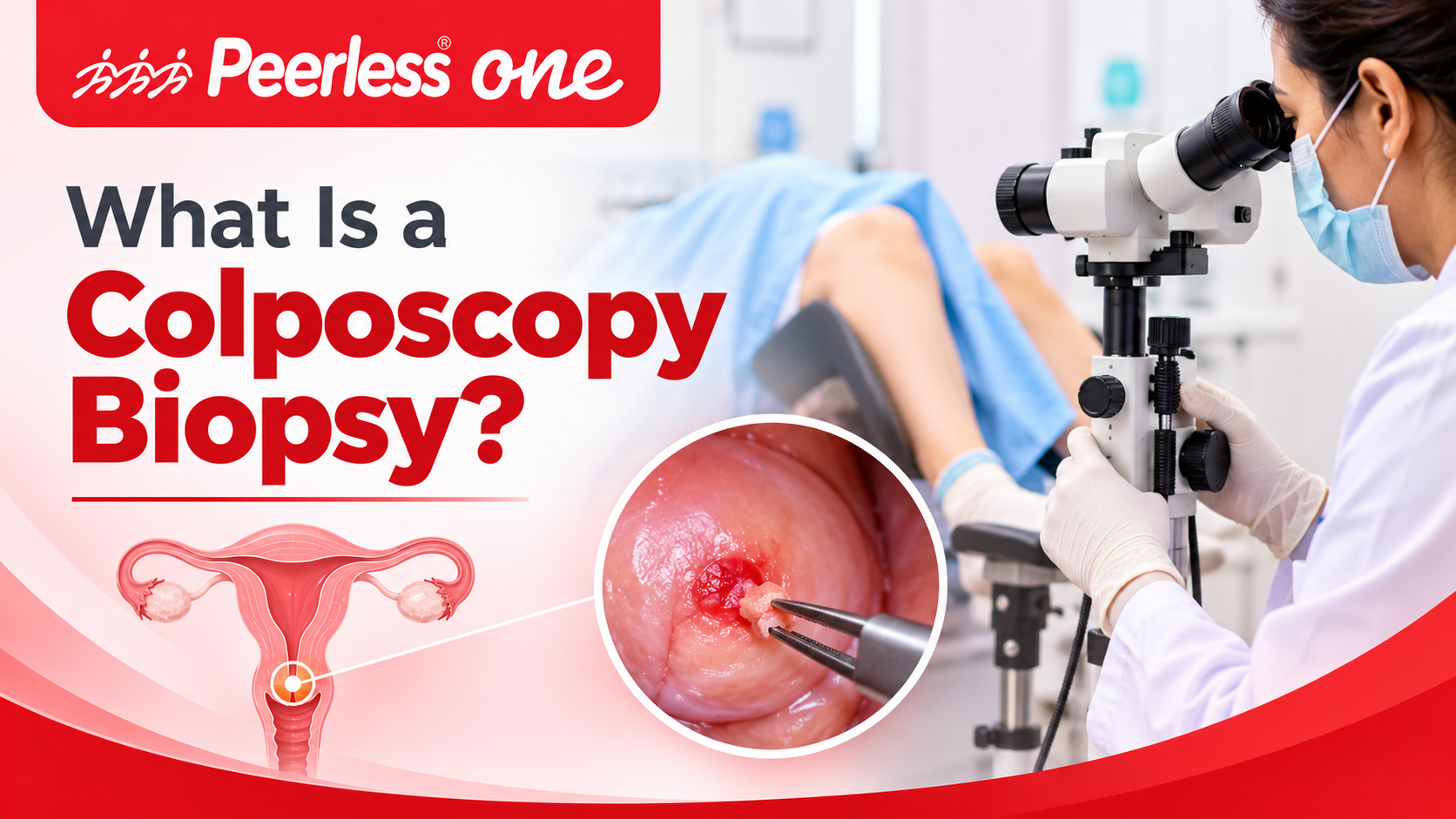
If the lesion is confirmed through colposcopy then the biopsy, which involves the collection of a small tissue sample for further testing, is conducted.
Is Colposcopy Painful? How Does It Feel?
It is not at all a painful procedure. However, during the insertion of the speculum, nulliparous (those women who do not have any children), or those with one child, may feel some minor pain/ discomfort. Otherwise the insertion or even the biopsy is virtually painless.
Risks and Side Effects
There are not much of side effects; there might be some discharge for a few days after the biopsy, or spotting and cramping pain and in rare cases, heavy bleeding or infection. There is no evidence that it affects fertility or pregnancy.
Recovery and Aftercare After Colposcopy Biopsy
For the first one to three days there may be some bleeding or discharge: spotting, not excessive bleeding. Tampons, sex or douching is not recommended for about a week or as advised by the physician after the biopsy.
Red flags: heavy bleeding, fever, foul-smelling discharge from the vagina or severe pain. These are signs that the area is infected after the biopsy and calls for a visit to the physician.
Colposcopy Biopsy Results: What Do They Mean?
When the results arrive they comprise of various medical terms. In case of CIN 1 we can wait for at least two years: after one year the colposcopy can be done, and again if the result is CIN 1, the procedure can be repeated after a year. Treatment is taken up if it is seen to persist after two years.
In cases of CIN 2 or 3, treatment is recommended through ablative procedures/excisional procedures.
In case of atypical glandular cells on a Pap smear, other tests like hysteroscopy and USG may be required to ascertain the origin of these cells.
As for treatment, it is monitoring and repeat colposcopy in the initial stages,
Treatment in Case Abnormal Cells Are Found

CIN 2 and 3 require ablative procedures by laser or cone biopsy (Cold Knife Conization) or LEEP (Loop Electrosurgical Excision Procedure), which uses electric current to remove the tissue from an identified area. This should be accompanied by intermittent colposcopy.
Colposcopy Cost in India
The cost varies from facility to facility as does the availability of insurance coverage.
Colposcopy Myths and Facts
- “Colposcopy means I have cancer”
Never. Colposcopy itself is not for cancer. Among many other reasons, it is also performed to test for the presence of malignancy, which can be removed or treated. Cervical cancer is a preventable disease. - “It will make me infertile”
There is no issue of infertility with colposcopy - “It’s the same as a Pap smear”
It is not the same as a Pap smear and requires some time. It may be followed by a biopsy simultaneously. - “I can’t have one on my period or while pregnant”
One may get pregnant after colposcopy, but colposcopy is not recommended during pregnancy.
Cervical Cancer Prevention and Screening in India

Cervical cancer is the only preventable cancer. Vaccination and screening are recommended through HPV and Pap smear tests. The best age for Vaccination is 9 to 14 years but it can be given upto the age of 45.
When Should You Book a Colposcopy?
When you are referred by a doctor following the results of an HPV or a Pap smear test or when symptoms like not looking normal, seek the professional help of a colposcopy trained doctor.
Frequently Asked Questions
How long does colposcopy take?
5 to 10 minutes.
Is colposcopy painful?
It is not painful.
Can I have it during my period?
No. Never. Because the lesions are obscured by the bleeding.
Is colposcopy safe in pregnancy?
It is safe but it is not recommended during pregnancy. A biopsy or any procedure that irritates the cervix may lead to an abortion.
How long after a colposcopy biopsy can I have sex?
After the bleeding or discharge is over, that is after one to two weeks.
How long does bleeding last after a colposcopy biopsy?
It is not bleeding; it is only spotting and lasts for two to three days.
How long do colposcopy biopsy results take?
It depends on the pathologist and the extra tests that are undertaken on the tissue specimen. Normal test results can be expected within 5 to 7 days.
Can I go to work after a colposcopy?
There is no contraindication holiday after a colposcopy.
Does colposcopy affect fertility?
No. There is no issue with fertility or conceiving after colposcopy.
What happens if the biopsy is abnormal?
The result will be either preinvasive or invasive, and the treatment will progress accordingly.
Conclusion
Colposcopy is a procedure that allows medical practitioners to look into the cervix and, should the need arise, allows extraction of tissue for pathological examination. There is no reason to be alarmed if a colposcopy is prescribed, as it may not necessarily be for affirming malignancy. In fact, in most cases, it is not. However, one would be better off getting it done at a multispecialty facility like the Peerless Hospital of the Peerless Group, as all testing facilities and medical supervision are available under one roof.
You may also like
Kidney Stones 6-7mm: Medication or Surgery?
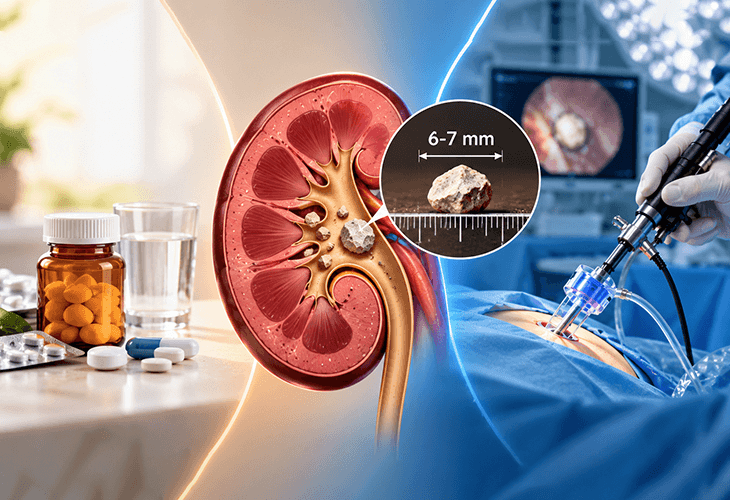
Nov 16, 2026Once there is a diagnosis of a kidney stone that is either 6mm or 7mm, the next most important thing is how one can expel it without requiring any intervention.
Read More
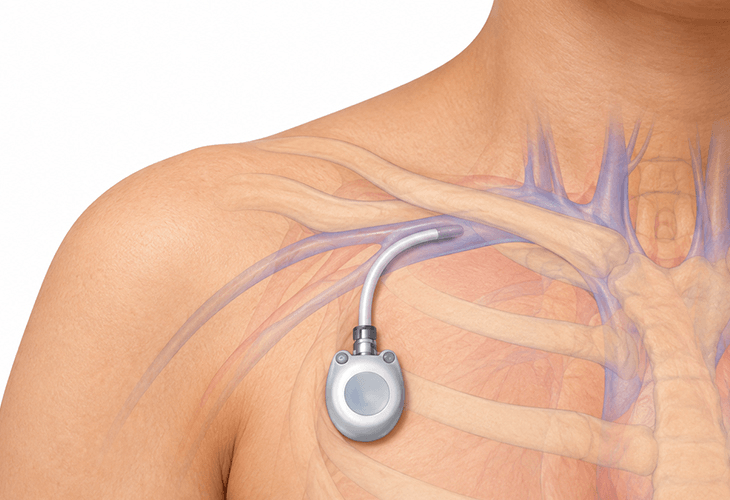
Chemoport has come in as a blessing for cancer patients.
Read More
Breast cancer screening is a vital procedure that plays an important role in diagnosing breast cancer even in cases where no symptoms are present.
Read More
Symptoms After An Injury may range from simple distress to a possible emergency.
Read More
Hairline fracture is the term used to describe a minor breakage of the bones due to repetitive strain.
Read More