



Symptoms of blockage fallopian tube, causes & treatment
Written by PeerlessOne on 17-08-2026
Medically Reviewed by Dr. Teesta Banerjee (DNB - Gynae & Obs)
Last Update on 17-08-2026
Table of Content
- Introduction
- What is a blocked fallopian tube
- Symptoms
- Ectopic Pregnancy
- Reasons for blockage in the fallopian tube.
- Checklist of Risk factors
- Endometriosis
- Hydrosalpinx
- Risk factors
- Diagnosis
- Treatment options
- About IVF
- Can a blocked fallopian tube open up on its own?
- Prevention
- Conclusion
- FAQs
Introduction
Fallopian tube blockage or tubal factor infertility is believed to be responsible for anywhere between 25 and 35 per cent of female infertility cases in India. In most of these cases, the root cause could have been avoided with a bit of care. But there is a huge awareness gap that needs to be bridged.
What is a blocked fallopian tube
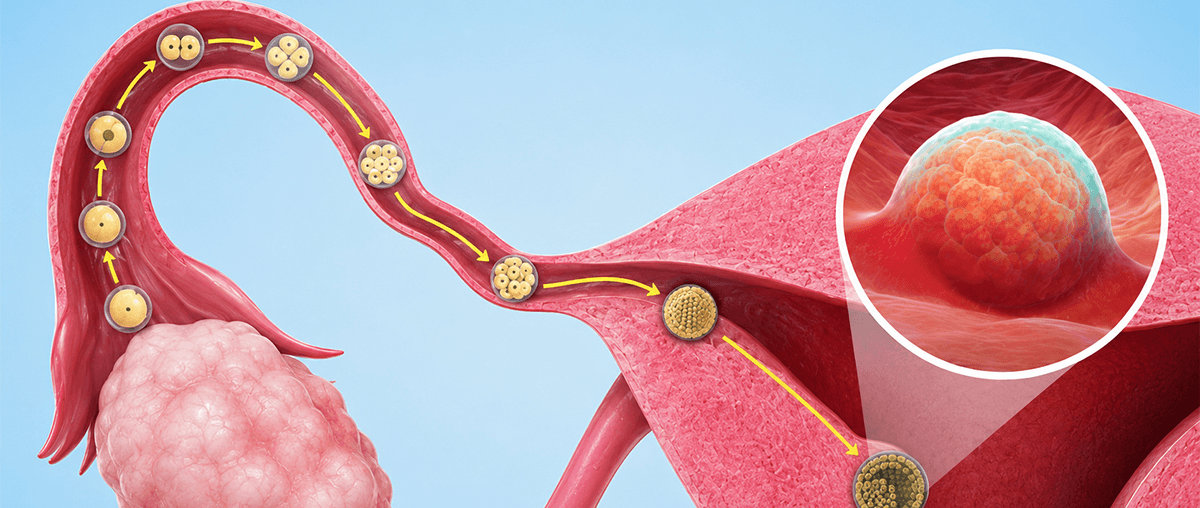
The Fallopian tube plays an essential part in reproductive physiology. It connects the uterus to the ovaries. It is the site where the actual process of fertilisation takes place. Once the egg is released from the ovaries, it is picked up by the fimbrial end (infundibulum) of the fallopian tube, sucked inside and into the ampullary end of the fallopian tube, where the fertilisation process occurs.
The fallopian tube is a structure, a part of the uterus that connects to the ovaries. During the menstrual cycle, particularly during the middle of the cycle – the 14th, 15th or 16th day – ovulation occurs, where one matured egg is released from the ovary. This matured egg is picked up by the Fallopian Tube, the ends of which are called the fimbriae. The fimbriae pick up the egg and transport it inside the Fallopian Tube. The midsection of the fallopian tube is called the ampulla, where fertilisation – the union of the male and the female gamete (sperm and ovum)- takes place.
During intercourse, the seminal fluid is deposited in the vagina; the sperm swim up the uterine cavity and migrate to the fallopian tube, where the initial fertilisation occurs. From there, the formed embryo migrates to the uterus. It sits inside the endometrium (the innermost mucosal layer of the uterus) and gives rise to the pregnancy sac or the very early foetus. Thus, the fallopian tube plays a crucial role in the early stages of reproduction. If anything in it that tube impedes the movement of these movements will impact the childbearing ability. As it is the route from the ovary to the uterus, it is very important to assess the patency, or the absence of any blockage, of the fallopian tube when treating any woman complaining of infertility.
Symptoms
First and foremost, there might be an inability to conceive – the patient may be trying for months and even years without spontaneous pregnancy occurring. There might be symptoms of lower abdominal pain; there might be occasional fever, urgency of repeated urination, and painful menstruation – all of which will point towards a need for the assessment of the fallopian tube. Foul-smelling vaginal discharge, or abnormal discharge between two menstrual cycles, and chronic pelvic pain may also be considered a red flag.
Very often, a blockage in the fallopian tube leads to the collection of secretions inside, which often leads to inflammation and pain. This may also lead to painful intercourse. The medical term often used is dyspareunia, which is a deep-seated pelvic pain that occurs particularly during intercourse.
Ectopic Pregnancy
As explained earlier, the process of fertilisation occurs in the ampulla part of the fallopian tube; physiology dictates that from here the embryo should migrate to the uterus and sit inside the endometrium, which is known as implantation. In some rare cases. It may so happen that the embryo does not move out of the fallopian tube and gets implanted in places other than where it is supposed to be. This leads to an ectopic pregnancy. The term ectopic stands for an abnormally located pregnancy, other than in the uterus.
Reasons for blockage in the fallopian tube.
There might be some infection in the fallopian tube; there might be some history of prior surgery (caused by some tumour, or cyst, or ectopic pregnancy); there might be some endometrial deposits (patches of tissue similar to the lining of the uterus that grow outside the uterus, typically on pelvic organs like the ovaries, fallopian tubes, and bladder. These deposits respond to hormonal changes, thickening and bleeding during menstruation, which leads to inflammation, pain, and scar tissue blocking the fallopian tube.)
Checklist of Risk factors
History of sexually transmitted infection or pelvic inflammatory diseases, in particular some viral infections like chlamydia that cause fallopian tube blockage.
Other than that, Endometriosis in a patient with a history of severe pain during menstruation, or an irregular menstrual cycle, or the presence of some ovarian cysts, and a history of prior surgery in the pelvis, such as ectopic pregnancy, which may have been surgically operated, are factors that need to be taken into consideration.
Endometriosis
Endometriosis is a chronic condition where we find the lining layer of the uterus, that is, the endometrial tissue, thickens, bleeds, and breaks down with each menstrual cycle, leading to inflammation, pain, and scarring.
Hydrosalpinx
Hydrosalpinx relates to a collection of fluids inside a blocked fallopian tube.
Risk factors
A blocked fallopian tube is in itself a cause for infertility. An infected fallopian tube may lead to recurrent pregnancy loss – the infected fluid may release different chemicals into the uterine cavity that may make the uterus unfavourable for carrying a pregnancy. The result is pregnancy loss, particularly during IVF procedures
Diagnosis
The commonly used test is Hysterosalpingogram (HSG), in which a contrast dye is injected through the cervix to outline the uterus and fallopian tubes. If tubes are open, the dye flows through and spills into the abdominal cavity. However, this may cause some pain. Sonohysterography (SHG / SSG) and minimally invasive Laparoscopic procedures are also resorted to. But the gold standard continues to be direct visualisation.
Treatment options
Some procedures can be both diagnostic (looking at the problem) and therapeutic (treating it). For example, when a liquid is injected to address the problem, increasing the liquid's force to force open the blockage is also available in certain cases. During laparoscopic procedures, the option to restore normal anatomy is also available. Cannulation of the fallopian tube can also be conducted during the assessment procedure itself. For pelvic infections too, injection of antibiotic formulations can be used for treatment purposes.
About IVF
The physiology of the ova being transported to the Uterus is a very delicate process. Once the fallopian tube is infected or compromised, chances of this migration become very low. Thus, patients with some kind of infection or blockage in the fallopian tube always benefit from IVF.
IVF is a controlled procedure where the actual factors that control reproduction are modified. Problems relating to conception can exist at different levels. Be it at the level of the ovary, the fallopian tube, or the uterus, IVF helps overcome the problems affecting the normal process of conception. The eggs and the sperm are collected, fertilised under a controlled laboratory environment, when even pre-implantation genetic screening can be done, and are placed within the woman’s body. However, it should be pointed out that IVF may not necessarily rule out an additional surgical procedure, like the clipping of the fallopian tube.
Overall, IVF with clipping of the fallopian tube has a success rate of about 60 per cent. Recanalisation has a lower success rate; statistically speaking, it would be around 20 per cent. There is no natural or ayurvedic solution to addressing issues relating to fallopian tube blockages, and only surgical or clinical management is recommended.
The functioning of the fallopian tube declining with the advancement of age in the patient is a misnomer. Often, women above the age of 45 conceive and mistake it as menopause. It is also statistically established that fertility in India is on a gradual decline. This is where the new concept of fertility planning has come in. Infertility experts are helping women preserve their ova for future use, which is increasingly becoming popular.
Can a blocked fallopian tube open up on its own?
Very unlikely, but with certain procedures it can be opened up.
Prevention
Prevention of fallopian tube damage is possible with the maintenance of adequate hygiene during menstruation, before and after sexual intercourse. There is a general lack of awareness about the maintenance of adequate hygiene, and we need to address this issue. Changing sanitary napkins every four hours during menstruation, the daily sterilisation of the menstrual cup if they are using one, and using protection during intercourse, especially the use of a condom in case of multiple partners, and general cleanliness cannot be overemphasised.
The moment a couple walks into a medical clinic, the process of treatment begins. They are assured that it is a closed place where their privacy is secured and that they can pour out their thoughts or concerns freely. Women, for example, even women above forty, have become more forthcoming about their sexual history. Reluctance to use terms like vulva, vagina, etc among patients has also gone down, which is also a healthy trend.
Men in general are less forthcoming about discussing their sexual history and often harbour the belief that there cannot be anything wrong with them in terms of sexual or reproductive health. They need to be probed with questions and be led to open up gradually. Test reports also help in the process.
Conclusion
With the spread of awareness, more and more people have started to seek medical advice quite early if some issues concerning the reproductive system are suspected. But the numbers are as yet very low. Safe sex practices and knowledge to take care of oneself are two very important factors that need to be talked about to boost awareness and prevent fertility loss that could otherwise have been avoided in many cases.
Peerless Hospitals offers modern infrastructure and comprehensive treatment for a wide range of gynaecological issues under one roof. As a part of the renowned Peerless Group, the hospital enables patients to book consultations and other related services online with ease.
FAQs
What are the symptoms of blockage in the fallopian tube, and when is it advisable to have one?
Some of the common symptoms of blockage in the fallopian tube include infertility, pelvic pain, painful periods, vaginal discharge, and pain during sex. These symptoms may mean blockage of fallopian tube or female infertility requiring immediate medical attention.
Can symptoms of blockage in the fallopian tube develop without many symptoms?
Yes. Women may have no symptoms other than having difficulty getting pregnant in which case they will be required to seek diagnosis for tubal factor infertility and fallopian tube blockage during fertility tests.
Can symptoms of blockage fallopian tube be treated?
Yes. There are various methods available depending on the cause of the condition. Treatment may involve taking medication, undergoing a surgical procedure or IVF treatment with the aim of enhancing fertility treatment outcomes.
Can blockage in the fallopian tube resolve on its own?
In most cases, it cannot resolve itself. The condition requires medical intervention to reverse fallopian tube patency while laparoscopic surgery will be advised in some cases.
What causes fallopian tube blockage?
The main causes of blockage include pelvic inflammatory disease (PID), endometriosis, history of pelvic surgeries, sexually transmitted diseases and scar tissues.
You may also like

In India, the lack of adequate haemoglobin in blood, especially among women and children are so severe that public health experts deem it to be a crisis
Read More

Creatine Phosphokinase-Muscle Band or CPK-MB test is a pathological examination done by drawing blood from a patient’s vein suspected to have had myocardial infarction, commonly called a heart attack
Read More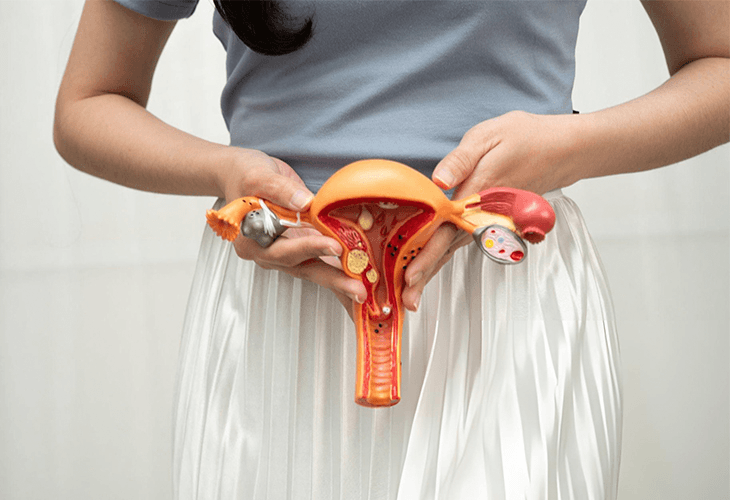
The incidence of bulky uterus, with uterine fibroids being the leading cause, is a global concern.
Read More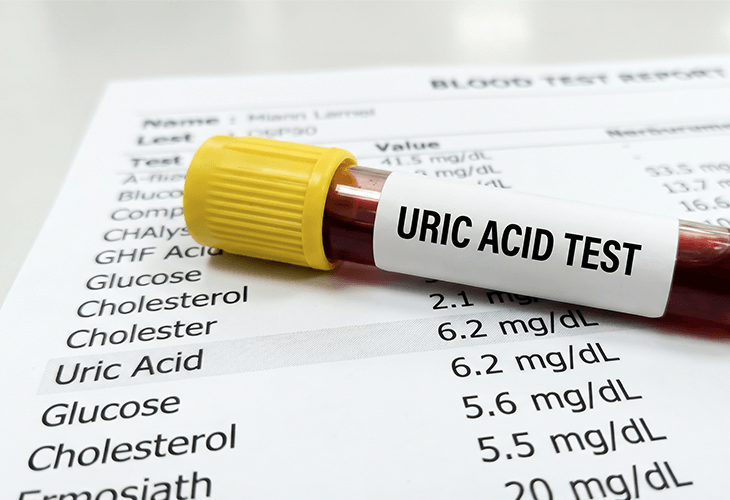
Hyperuricemia or elevated uric acid strikes one in every five adults globally, and one in every four in India, and the level can be determined through a blood test.
Read More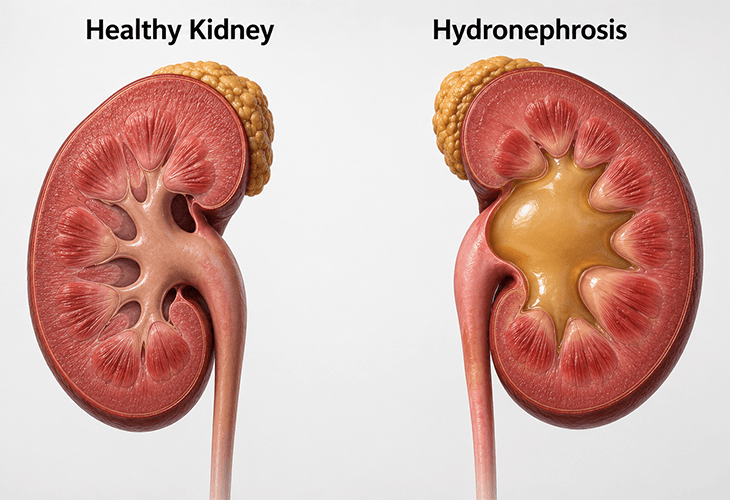
Kidney disease hydronephrosis is a disorder wherein one or both kidneys swell due to the accumulation of urine
Read More