



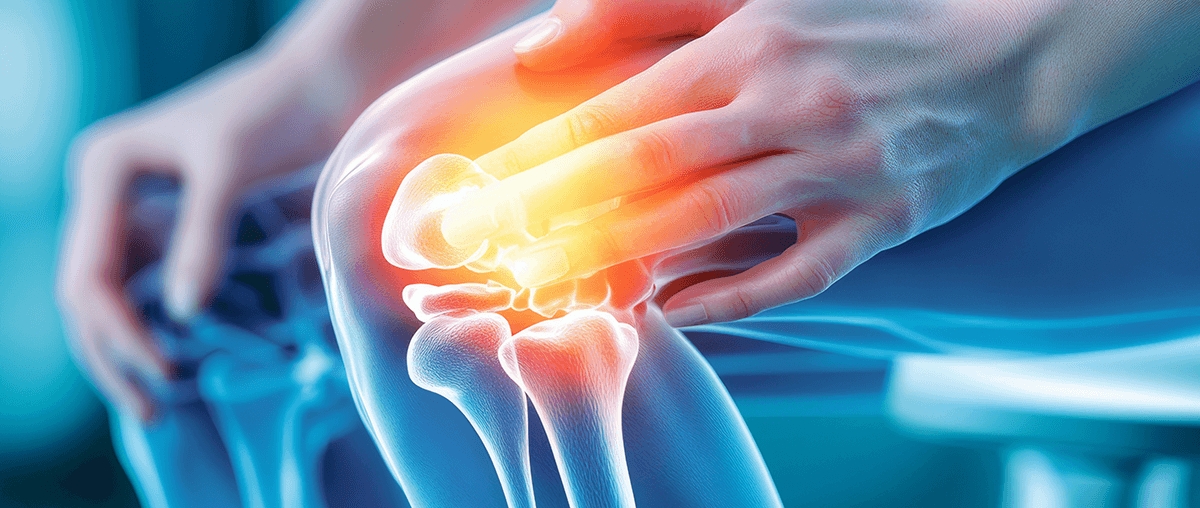

Understanding Osteoporosis
Osteoporosis is a generalised medical condition that occurs when bone mass decreases due to various causes. It can be classified as either primary or secondary osteoporosis.
A. Types of Osteoporosis
- Primary Osteoporosis
Primary osteoporosis is typically associated with genetic or environmental factors. For example, natural aging processes and hormonal changes, like those seen in postmenopausal women, can trigger this type of osteoporosis. - Secondary Osteoporosis
Secondary osteoporosis, on the other hand, is caused by other medical conditions or the prolonged use of certain medications. Diseases such as rheumatoid arthritis and ankylosing spondylitis can lead to this form of osteoporosis. In some cases, infections like tuberculosis or bacterial infections, which are usually localized, may also contribute to a reduction in bone mass.
B. Causes of Secondary Osteoporosis
One of the key causes of secondary osteoporosis is the indiscriminate use of drugs over an extended period, especially without proper medical supervision. Medications that can contribute to osteoporosis include anti-acid drugs like Pan40 and Ranitidine, anticonvulsants, and steroids. For instance, many people in South Asia suffer from reflux and often resort to using anti-acid medications. Prolonged use of these medications can interfere with the body's ability to absorb vital nutrients, thereby impacting bone health.
Instead of relying solely on medications, it is advisable to explore other options such as dietary and lifestyle changes. Addressing the root cause of reflux, rather than merely treating its symptoms, can reduce the risk of developing secondary osteoporosis. Anti-acid medications may offer short-term relief, but they can also limit the absorption of essential nutrients required for bone health.
C. Bone Development and Aging
Bone mass undergoes a natural cycle of growth and resorption throughout life.
- Growth Phase (up to 18-25 years): During this phase, both males and females experience an increase in bone mass.
- Maintenance Phase (25-45 years in females, 25-65 years in males): Bone mass remains relatively stable as the processes of resorption and bone formation balance each other.
- Decline Phase (after 45 in females, after 65 in males): Bone mass begins to decline, often leading to the onset of osteoporosis.
This natural progression underscores the importance of building strong bones early in life. By maximizing bone mass during the growth phase, the impact of bone loss in later years can be minimized.
D. Preventive Measures
Taking calcium supplements after the onset of osteoporosis is not the most effective solution. Instead, the focus should be on prevention through early lifestyle choices, including:
- Balanced Diet: A nutrient-rich diet with sufficient calcium and vitamin D.
- Regular Exercise: Weight-bearing exercises that strengthen bones.
- Avoiding Harmful Substances: Limiting the intake of alcohol and nicotine.
- Managing Underlying Conditions: Properly treating other diseases that may contribute to osteoporosis.
Another important consideration is the role of genetic predisposition. People of Hispanic and African descent tend to have larger bone structures, which may provide a natural defense against osteoporosis. In contrast, Asians, particularly Asian women with smaller bone structures, face a higher risk of developing the condition.
E. Conclusion
In the context of increasing life expectancies, preventing or delaying the onset of osteoporosis becomes a critical health goal. Building up bone mass early in life can significantly reduce the likelihood of developing the condition later. While no one can completely prevent aging-related bone loss, taking proactive steps during the early stages of life can yield long-term benefits.
For consultations on osteoporosis and for other medical concerns, click here to access Peerless Hospital's online doctor booking facility
You may also like

Can an elderly person enroll in a gym for the sake of keeping fit? Generally, the answer would be a “no”. But this will not apply to everybody and not in all situations.
Read More
Preventing and Treating Bed Sores
Dec 12, 2024Bed sores, also known as pressure ulcers, occur when continuous pressure is exerted ....
Read More
Not All Chest Pains Need Cardiology Treatment
Jun 23, 2023All chest pains are not heart attacks and all heart attacks may not be associated with chest pain.
Read More
Dengue – Symptoms & Preventive Measures
Nov 15, 2021Dengue is a mosquito-borne viral disease which poses high medical burden in many regions worldwide.
Read More
The pregnancy period is normally a joyous, fulfilling and satisfying experience for most mothers...
Read More