




Best Bone Marrow Transplant (BMT) or Blood Stem Cell Hospital in India
Written by PeerlessOne on 17-09-2026
Medically Reviewed by Dr. Shazia Gulshan (DM - Clinical Haematology)
Last Update on 17-09-2026
Table of Content
- Introduction
- What Is a Bone Marrow Transplant?
- Types of Bone Marrow Transplant
- Who Needs a Bone Marrow Transplant?
- Bone Marrow Transplant Process
- Eligibility Criteria & Who Should Avoid BMT
- Bone Marrow Aspiration or Biopsy
- Recovery Timeline After Bone Marrow Transplant
- BMT vs Other Treatment Options
- Conclusion
Introduction
The Indian Society for Blood and Marrow Transplantation (ISBMT) has collated cases of over 26,800 total procedures performed across more than 110 specialised transplant centres and calculates about 60 to as high as 95 per cent depending on the disease, donor match quality, and transplant type.
What Is a Bone Marrow Transplant?
A bone marrow transplant is a medical procedure where the affected bone marrow present in the blood of the patient is replaced with normal marrow so that the disease gets cured.
Bone marrow is an element present inside the long bones of our body, and they produce all the blood cells like RBCs, WBCs, and platelets. When there is a disease of the bone marrow, there is either a fall in the RBCs, or there is a significant change in the WBC count, or in the platelets. It is a situation when the bone marrow does not produce these cells either adequately or in a normal fashion. It can be malignant (cancerous) or benign (non-cancerous). Depending on the type, the treatment procedures vary.
Stem cells are the most primitive cells in the body. These cells can divide and turn into many different specialised cell types in the body, like RBCs, WBCs, platelets, lymphocytes. Bone marrow serves as the body’s primary reservoir for critical adult stem cells. That is why, when we do a bone marrow transplant, we procedurally take out these cells, apply chemotherapy and transfuse the cells back.
Types of Bone Marrow Transplant
There are two types of bone marrow transplant: one is Autologous (using the patient’s own cells) and Allogeneic Transplants (using donor cells). Other lesser-used transplants are Umbilical Cord Blood Transplant and syngeneic bone marrow transplants. The most used is an Autologous transplant, where the patient is the donor, and their own cells are used for treatment. In case of Allogeneic Transplants, proper matching (HLA Typing) is required. Where the marrow is taken from the parents it is haploidentical, as they carry half the genes of that patient. Unrelated is when the donor does not relate to us by birth, but our marrow still match, can be a donor. The best form, of course, is when one’s twin is the donor, as they have the highest chance of matching. Sibling donors also have high levels of match.
Who Needs a Bone Marrow Transplant?
The different conditions can be broadly classified as those with malignancies (different types of cancers) and those whose conditions are benign. Malignancies or cancers can be related to haematological diseases like Leukemia, different Lymphomas that have relapsed, Multiple Myeloma (which we now conduct even for first-line settings and myelodysplastic syndrome, which is a premalignant lesion which may have some very high-risk MDS, which within a short time gets converted to acute leukaemia.
There are some other conditions like Nephroblastoma, and other cancers which, if they relapse, can also be taken up for bone marrow transplant. In such cases where chemotherapy is either not working or is working for a very short while, such procedures may lead to a cure.
Other conditions that are not malignant yet need urgent intervention are Aplastic Anaemia, in severe cases of which we see bone marrow failure syndrome, which may even be genetic (inherited bone marrow failure syndrome) like Fanconi anaemia. Such patients, if they are not elderly and are otherwise eligible for a transplant, are taken up for transplantation for cure.
Other conditions like Haemolytic anaemia, Thalassemia, Sickle Cell anaemia can also be treated with bone marrow transplant, which are otherwise not curable.
Other diseases like some neurodegenerative diseases like multiple sclerosis can also be treated with a very high rate of cure. No medicine can give them a cure other than a bone marrow transplant.
Certain other diseases can also be taken up for bone marrow transplant, like Severe Combined Immunodeficiency (SCID).
Bone marrow transplant, though mostly associated with malignancies, has a very wide range of application, even with many chronic conditions which are otherwise not curable.
Bone Marrow Transplant Process
The process is long and complex, but not really painful. Another myth is that it is a surgery – it is not. It is just another form of blood transfusion. The donor’s blood is collected through a peripheral vein, and the treated blood is injected into the patient through a peripheral vein.
After detection of cancer, first the patient is treated with chemotherapy to control the primary disease (induction). After this, when the patient reaches a remission status, or mostly the cancer is controlled, the patient is taken up for a bone marrow transplant.
Within the transplant programme, first the patient’s stem cells are collected like any other blood collection, and are stored appropriately. Then a high dose of chemotherapy is administered to kill all the cancer cells which are not producing adequate or normal blood cells, ablate the marrow totally, and then the stem cells are transfused back into the patient. When the stem cells go back into the patient’s body, the body starts accepting them as its own – the medical term is Engraftment – the body starts producing normal cells and the disease is cured. The entire process takes weeks from the start to the release of the patient from the hospital.
Eligibility Criteria & Who Should Avoid BMT
Before we take a person up for transplant, we have to conduct a procedure to see the patient's eligibility factors like age (generally patients above 70 are found ineligible), the general medical condition of the patient, comorbidities, and frailty (the patient’s ability to undergo the procedure). Patients with kidney diseases, those on regular dialysis are normally not taken up.
Bone Marrow Aspiration or Biopsy
There are many myths and misconceptions around Bone Marrow Aspiration or biopsy. It is thought to be very painful, is severe, and should be avoided.
When any part of the body is taken out for a test, even if it is a skin or nail sample, it is called a biopsy.It has nothing to do with cancer, and biopsy does not mean that the disease will spread. This is an absolute myth.
A bone marrow biopsy is quite a safe procedure. They can be safely done even in a day care centre, where the patient is admitted in the morning and discharged in the evening. It is done by applying local anaesthesia and inserting a needle in the hip of the patient to extract some bone marrow. Patients may feel the needle going through – the pressure sensation may be there, but usually there is no sensation of pain. It is a quick procedure and takes about 10 minutes.
There is no need to worry about a bone marrow biopsy procedure. It is very safe and if anybody is suspected of suffering from a blood cancer, a bone marrow biopsy is a must.
Recovery Timeline After Bone Marrow Transplant
Transplants have different levels of complications. The simplest form is the autologous transplant, where the patient is his own donor as has already been discussed. This takes a maximum of three to four weeks in phases. The patient is prepared, immunity is suppressed, the cells are collected, and the chemotherapy is administered according to the protocol, and then on the transplant day, the cured marrow is infused back into the patient.
Then there is the engraftment time, following which the patient is observed. This is the most vulnerable part of the process when we wait for the body to accept the transfused cells. At this point, the patient’s immunity is zero, and he is vulnerable to catching any infection whatsoever. What is more, even manifestation of symptoms of infections may not be there.
For allogeneic transfers, the time period may go beyond a month. GVHD graft-versus-host disease is a medical complication that can happen after an allogeneic stem cell or bone marrow transplant. It occurs when the donated white blood cells (the graft) view the patient's healthy body cells (the host) as foreign and attack them.
The complications can be multiple, ranging from mild to severe, making the management of complications critical.
The recovery process depends upon the number of complications and how the patient reacts to them.
Infections – be that bacterial, viral or fungal - are a major threat and may even lead to the death of the patient if not identified and managed with alacrity.
Some complications are immediate, while some may manifest in the medium to long term, which needs to be monitored. One of them is chronic GVHD, as is organ damage.
Another thing that is less discussed is infertility. If we have to go in for transplant in a young patient, there should be a provision for sperm or ovum banking, so that after cure, if they want to conceive, they can have an option.
In the long term, another issue that needs to be monitored is the development of secondary cancers. There is a chance that 6 to 8 per cent of the patients may become afflicted.
The patient must be really cautious. Not go out indiscriminately, maintain strict hygiene as was done during the COVID times, follow a diet protocol, avoid going to crowded places, start antibiotic courses at the smallest signs of infection etc.
BMT vs Other Treatment Options
Bone marrow transplant is a specialised type of treatment which requires a dedicated bone marrow transplant unit. There are not many places like the Peerless Multispeciality Hospital where there are similar units.
Other things required are a blood bank, an apheresis machine, a radiation unit, and a very good team of medical practitioners. This team will comprise a haematologist and an equally efficient support team of nurses and other medical caregivers. A very high level of hygiene must be maintained.
Conclusion
There are many misconceptions about bone marrow transplant and the required biopsy. This treatment procedure has a reasonably very high rate of success provided it is administered at a hospital which is properly equipped to handle it, as it requires a completely aseptic environment. A hospital like the Peerless Hospital of the Peerless Group could be an ideal place to go to.
You may also like

You have been asked by your doctor to get your urine tested, and the report indicates 8–10 pus cells/HPF
Read More
In India, the lack of adequate haemoglobin in blood, especially among women and children are so severe that public health experts deem it to be a crisis
Read More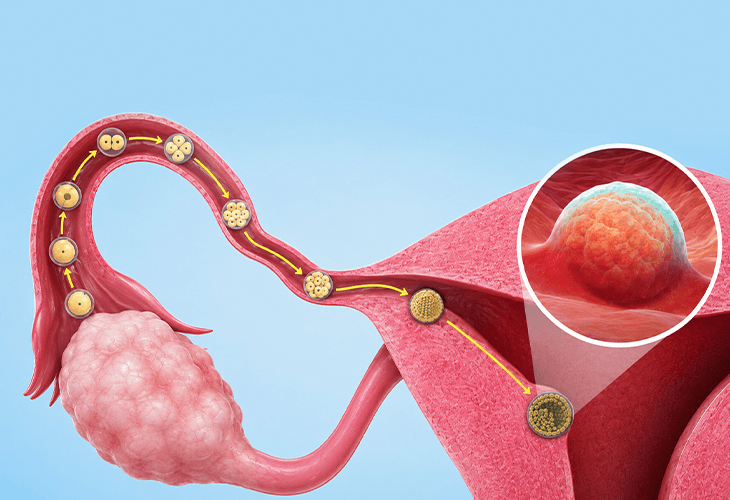
Fallopian tube blockage or tubal factor infertility is believed to be responsible for anywhere between 25 and 35 per cent of female infertility cases in India.
Read More
Creatine Phosphokinase-Muscle Band or CPK-MB test is a pathological examination done by drawing blood from a patient’s vein suspected to have had myocardial infarction, commonly called a heart attack
Read More
The incidence of bulky uterus, with uterine fibroids being the leading cause, is a global concern.
Read More