




How to Choose the Right Hospital for Critical Moments
Written by PeerlessOne on 23-09-2026
Last Update on 23-09-2026
Table of Content
- Introduction
- Choosing The Right Hospital In Case of Emergency Medical Conditions
2.1 Heart Attack
2.1.1 How to Choose the Right Hospital for a Heart Attack
2.2 Stroke
2.2.1 How to Choose the Right Hospital for a Stroke
2.3 Severe Trauma and Road Accidents
2.3.1 How to Choose the Right Hospital for Severe Trauma
2.4 Cancer Diagnosis
2.4.1 How to Choose the Right Hospital for a Cancer Diagnosis
2.5 High-Risk Pregnancy
2.5.1 How to Choose the Right Hospital for a High-Risk Pregnancy
2.6 Respiratory Emergencies
2.6.1 How to Choose the Right Hospital for Respiratory Emergencies
2.7 Kidney Failure
2.7.1 How to Choose the Right Hospital for Kidney Failure
2.8 Brain and Neurological Emergencies
2.8.1 How to Choose the Right Hospital for Neurological Emergencies
2.9 Severe Infections and Sepsis
2.9.1 How to Choose the Right Hospital for Severe Infections
2.10 Major Orthopaedic Injuries
2.10.1 How to Choose the Right Hospital for Orthopaedic Injuries
2.11 Paediatric Emergencies
2.11.1 How to Choose the Right Hospital for Paediatric Emergencies
2.12 Emergency Surgical Conditions
2.12.1 How to Choose the Right Hospital for Emergency Surgical Conditions - Right Hospital Selection Ensures Confidence in Times of Emergency
- FAQs
Introduction
Medical emergencies do not allow much time for making decisions; hence, the need to know the right hospital even before an emergency arises. In case of any medical emergency, whether it is a sudden heart problem, accident, or any other complicated condition, having access to the right healthcare facility can be of immense significance in terms of getting appropriate treatment. Choosing such a facility should be based on factors other than convenience alone.
Each medical crisis has its own challenges and may require some specialised facilities. Knowing what signs to look for in such situations helps patients and their relatives make informed decisions. Choosing a proper health facility will not only make things easier but will also have positive implications for the healing process.
Choosing The Right Hospital In Case of Emergency Medical Conditions
Various emergency medical conditions require different kinds of expertise and clinical organisation. Knowing about the requirements for each kind of emergency situation will enable you to find the right hospital with the capabilities of offering well-coordinated treatment:
Heart Attack
A heart attack is among the medical emergencies that require urgent attention because it helps to decrease the damage caused to the heart. Lack of access to specialised heart care can lead to complications and reduce the chances of recovery from the disease.
How to Choose the Right Hospital for a Heart Attack
The best hospital should offer emergency services on a 24/7 basis, advanced heart diagnostic tools, a working catheterisation laboratory, cardiology specialists, and intensive heart care services. Immediate access to these facilities helps commence treatment without any delay.
Stroke
Stroke can be defined as a situation where the flow of blood to the brain stops, and immediate medical intervention becomes necessary. Every passing second that the condition remains untreated increases the risk of brain damage.
How to Choose the Right Hospital for a Stroke
Ensure that the centre you choose has facilities for diagnosing stroke, including neurological specialists and machines such as CT scans or MRIs, among others. Proper neurological assessment and effective treatment increase the chances of recovery.
Severe Trauma and Road Accidents
Most major accidents result in injuries to several parts of the body at once. Trauma cases need stabilisation, diagnosis and multi-speciality treatment to avoid fatal complications.
How to Choose the Right Hospital for Severe Trauma
Select a hospital that has a well-equipped emergency room, trauma specialists, imaging systems, a blood bank, emergency operating theatre facilities and intensive care. The availability of infrastructure for trauma will aid quicker decision-making in emergencies.
Cancer Diagnosis
Getting cancer often marks the beginning of a long, well-planned treatment journey. It is important to have an accurate diagnosis, a multidisciplinary evaluation, and individual treatment planning for better clinical results and improved quality of life.
How to Choose the Right Hospital for a Cancer Diagnosis
A patient may want to choose a hospital which provides services for cancer care, diagnostics, a multidisciplinary tumour board, oncology specialists, and treatment planning. The continuity of cancer care will be provided during all stages of treatment.
High-Risk Pregnancy
A high-risk pregnancy must be monitored closely, as any complications can arise suddenly for the mother or her foetus. Diseases such as hypertension, diabetes, premature labour, or multiples are examples that may require specific medical treatment during pregnancy and delivery.
How to Choose the Right Hospital for a High-Risk Pregnancy
The ideal hospital would have qualified obstetricians, specialist physicians in foetal medicine, maternity care, NICU, surgery, and round-the-clock services for the mothers. The multidisciplinary team for maternity is important for this purpose.
Respiratory Emergencies
Respiratory problems such as severe asthma attacks, pneumonia, respiratory distress, or breathing difficulties can be deadly without prompt treatment. It is always best to get immediate attention from respiratory support.
How to Choose the Right Hospital for Respiratory Emergencies
Select hospitals with pulmonologist expertise, respiratory monitoring technology, ventilation support, ICU facilities, and emergency physicians on staff at all times. Early treatment can save lives when done with proper respiratory care.
Kidney Failure
When a patient suffers from either acute or chronic kidney failure, the condition may require prompt medical attention, particularly when there is a rapid reduction in the function of the kidneys.
How to Choose the Right Hospital for Kidney Failure
Patients must select hospitals that have specialists in nephrology, dialysis units, laboratories with modern equipment, intensive care units, and medical experts from different disciplines. This will help doctors prepare a personalised treatment plan based on the patient's health condition.
Brain and Neurological Emergencies
A neurological emergency, including injuries to the brain, fits, sudden loss of consciousness, or even spinal disorders, necessitates prompt evaluation and treatment by specialists. If this is not done, it could lead to permanent brain damage or disabilities.
How to Choose the Right Hospital for Neurological Emergencies
The choice of a suitable hospital will entail selecting hospitals which possess neurologists, neurosurgeons, facilities for brain scans, and a neuro-intensive care unit, as well as emergency surgery facilities. Neurological care makes it possible to quickly diagnose and treat emergencies.
Severe Infections and Sepsis
The infectious diseases spread to the whole body and may result in sepsis, a potentially fatal disease. Early identification, diagnosis, and treatment must be provided to prevent organ damage and increase chances for recovery.
How to Choose the Right Hospital for Severe Infections
The patient should be taken to the hospital that is equipped with infection control measures, diagnostic laboratories, critical care doctors, intensive care units, and physicians. This is because rapid diagnosis and proper treatment will be of considerable help.
Major Orthopaedic Injuries
Fractures, spinal injuries, joint injuries, and crushing injuries need urgent medical intervention to restore mobility and avoid any long-term complications that might arise from the delay in seeking medical help.
How to Choose the Right Hospital for Orthopaedic Injuries
Consider a hospital that has an experienced orthopaedic surgeon, a trauma facility, imaging, an operating theatre, rehabilitation services, and physiotherapy services. A skilled orthopaedic unit provides all these requirements for both immediate and long-term care.
Paediatric Emergencies
Children’s medical emergencies call for special expertise since children react to diseases and injuries in ways that are different from how adults react. Diagnosing quickly, providing appropriate surroundings, and employing skilled paediatric professionals are important for delivering safe and quality healthcare.
How to Choose the Right Hospital for Paediatric Emergencies
Parents may want to look into hospitals that have paediatricians, PICUs, emergency child healthcare facilities, neonatal services, and nurses experienced with caring for children.
Emergency Surgical Conditions
Problems like appendicitis, intestinal obstructions, internal bleeding, or other emergencies within the abdomen are conditions that need immediate surgery. Having access to skilled surgeons could save the patient from further medical complications.
How to Choose the Right Hospital for Emergency Surgical Conditions
An appropriate hospital will include skilled surgeons, operating theatres for emergency purposes, anaesthetists, advanced diagnostic methods, intensive care facilities, and prompt emergency services. This process is how the patient gets the right surgical care at the right time.
Right Hospital Selection Ensures Confidence in Times of Emergency
Selecting the right hospital before an emergency helps patients and their families make decisions more easily when under stress. Everything from emergency preparations and specialist skills to state-of-the-art facilities and coordinated clinical care is essential for ensuring safe experiences for patients. The Peerless Group remains known for its legacy of trust, professionalism, and excellence, thereby building the reputation of the institutions associated with it.
Those who desire medical assistance will find that Peerless Hospitals in Kolkata is a highly regarded choice for getting treated with the help of modern facilities, skilled professionals, and multispecialty health care services due to its treatment of people suffering from different ailments, in addition to the benefits of seeking treatment there. Besides the improved infrastructure, another advantage of our integrated care delivery approach is that many of our experts can work together to design personalised treatment regimens that are tailored to specific medical needs. An integrated care delivery strategy ensures that clinical decisions are made promptly and that effective coordination occurs among the various departments within the organisation.
FAQs
Why is it necessary to select a proper hospital prior to a medical emergency?
Planning helps families prevent any hasty decision-making during emergencies and also enables them to gain quick access to suitable specialists, emergency care and medical facilities in case of medical emergencies.
What makes Peerless Hospitals a dependable option for handling medical emergencies?
Peerless Hospitals offers emergency care, specialist doctors, diagnostic facilities, intensive care facilities, and modern infrastructure required to treat its patients effectively.
Is it necessary to consider the nearest hospital during emergencies?
It may not be necessary to always consider the nearest hospital, although proximity is one of the most essential factors during medical emergencies.
Why are multispecialty hospitals the best option for critically ill patients?
Multispecialty hospitals, as evident from their names, provide integrated medical care involving various specialities of medicine.
How does the sophisticated infrastructure of Peerless Hospitals help ensure patient safety?
The sophisticated infrastructure of Peerless Hospitals ensures quicker diagnosis, monitoring of patients, effective coordination among the clinicians, and speedy treatment.
Should families select a hospital before a medical emergency?
Yes, choosing the appropriate hospital in advance will reduce stress levels in emergencies, and one will be able to receive proper medical treatment.
You may also like
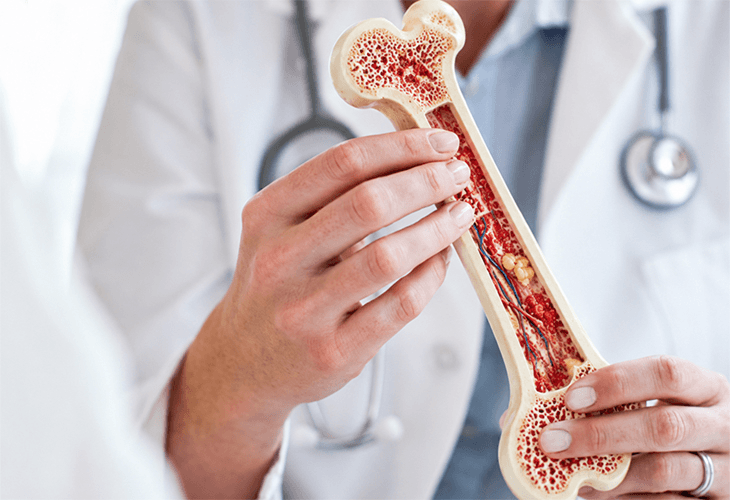
The Indian Society for Blood and Marrow Transplantation (ISBMT) has collated cases of over 26,800 total procedures performed across more than 110 specialised transplant centres and calculates about 60 to as high as 95 per cent depending on the disease, donor match quality, and transplant type.
Read More

You have been asked by your doctor to get your urine tested, and the report indicates 8–10 pus cells/HPF
Read More
In India, the lack of adequate haemoglobin in blood, especially among women and children are so severe that public health experts deem it to be a crisis
Read More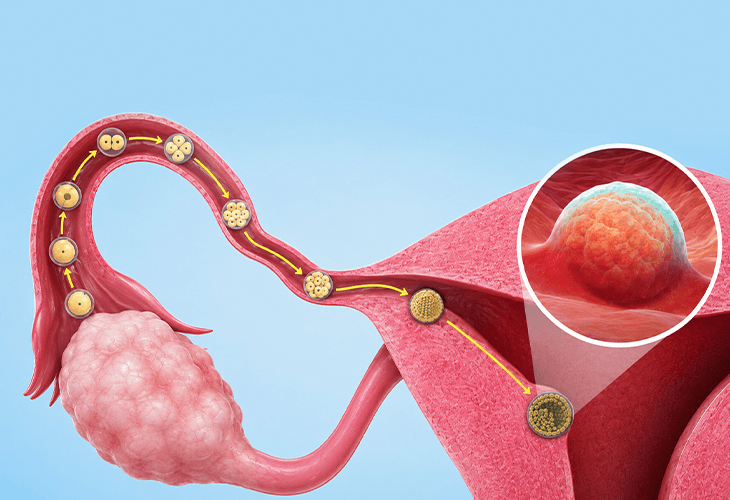
Fallopian tube blockage or tubal factor infertility is believed to be responsible for anywhere between 25 and 35 per cent of female infertility cases in India.
Read More
Creatine Phosphokinase-Muscle Band or CPK-MB test is a pathological examination done by drawing blood from a patient’s vein suspected to have had myocardial infarction, commonly called a heart attack
Read More